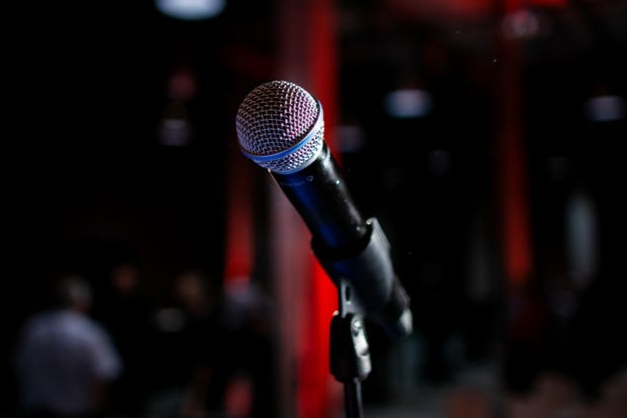
One of the vital element in film, live concerts, press release, radio, and many more is having a good audio quality. While it is true that having a good visual can captivate your audience easily but accompanying it with bad audio can quickly turn them off, so sound systems should be listed as priority of any directors and producers and picking up the right microphone for an event or in filmmaking could help you build a better overall sound quality.
Microphone Pickup Patterns
To start up, we should be inform that not every microphones are created equal though their functions are all similar to one another and it is for example taking the physical sound and translate it into electrical signal that we can control. Microphones function are differs from their pickup pattern or the direction on which mic pick ups sound, knowing this will help you on which mic is suitable for your use in an event or filmmaking and could avoid unnecessary noise and feedback which could distract your audience. So without further ado, let’s start discussing different types of pickup pattern.
Omnidirectional
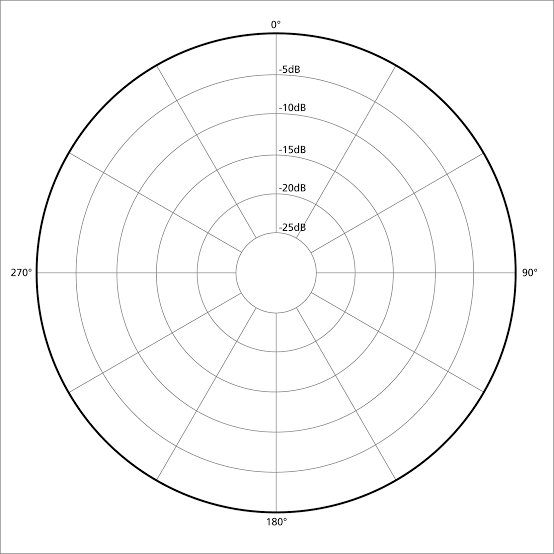
It is quite common pickup pattern for a microphone. Omnidirectional mic can picks up sound 360° around the mic with equal gain in all angles, this means that the sound source is not necessarily needed to be directly at front of the Mic just to be heard. Though its disadvantage is that you can also easily picks up the ambient sound or even having a feedback, but if you want to capture both the primary sound and ambient noise, using this type of mic is a good choice to make
Advantage:
- Can pickup sound at all direction.
- Good at interviews where guest can move their heads freely when expressing their emotions.
- Less sensitive to plosives.
Disadvantage:
- Can also capture ambient sound.
- Often feedback.
Cardioid
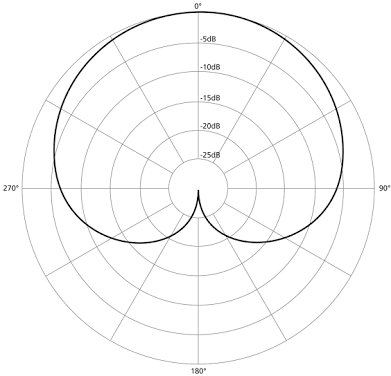
Cardioid pattern get its name because of its distinct heart shape. As you can see from above diagram, cardioid mic can picks up sound at its front and very least from the back. It has also has wide pick up range or angle which mostly 131°, this can be use by singers who uses same mic and another noticeable feature is its feedback rejection.
Advantage:
- Wide range of pick up angle.
- Feedback rejection.
Disadvantage:
- Can suffer from proximity effect and plosives or popping sound.
Supercardioid
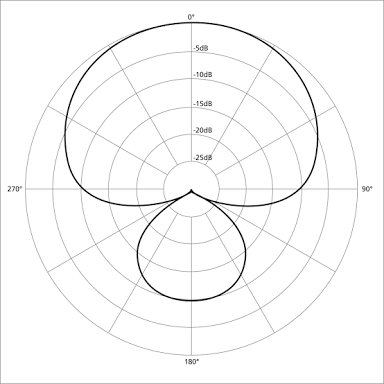
One of the subcategory of cardioid microphones and basically has overall same feature with the difference of having more side rejection than typical cardioid. It also has a distinct feature of ability to isolate the polar area for unwanted noise, this will help you to reduce the ambient noise and the feedback greatly.
Advantage:
- Greatly reduce noise and feedback.
Disadvantage:
- The sound source must remain at the front of the mic, and little move of the head might result to significant reduce of volume.
Hypercardioid
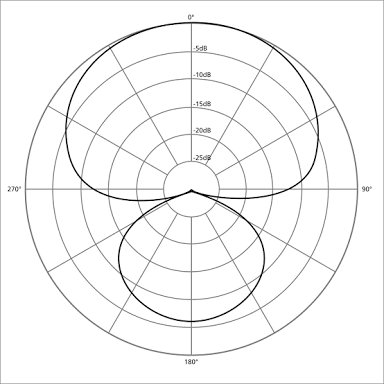
It has both share similarities in supercardioids and bidirectional microphones. Hypercardioids are effective at rejecting sounds and feedback from the sides.
Advantage:
- Rejects feedback and unwanted noise from the sides.
- Can pick up more sound at the back compare to cardioid and supercardioid.
Disadvantage:
- Sound source must remain at the front of the mic.
- Not ideal for speeches and interviews.
Bidirectional or Figure-8
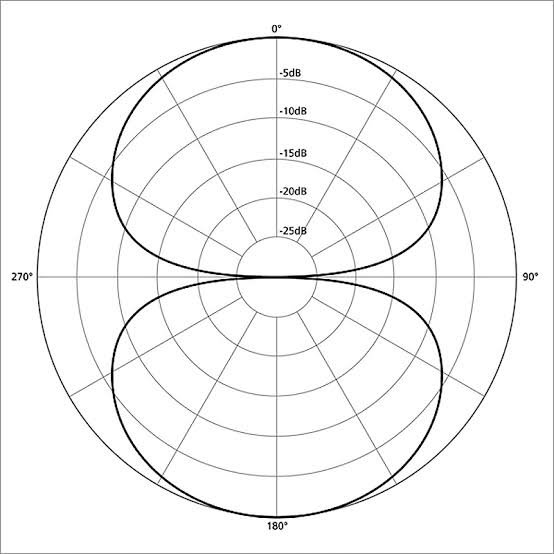
Bidirectional or figure-8 microphones can picks up sound at front and back of the mic and rejects any noise that comes from the side. The pattern is similar to a two cardioid but facing opposite to each other. This pickup pattern is commonly use at duets which gives two performers space while sharing the same mic. We can also use this on interviews where the interviewee and interviewer are facing at the opposite side facing on the same mic and both are heard with equal sound by the audience.
Advantage:
- Can be use in stage performance such as duet, where two performers are needed to share a mic for showing intimacy.
- Can be use in talk show or interviews on which you can only use one mic.
- Rejects noise at sides.
Disadvantage:
- Cannot be use in large number of performers.
- Could picks up noise at the back when you only need the front.
Lobar Pickup or Shotgun
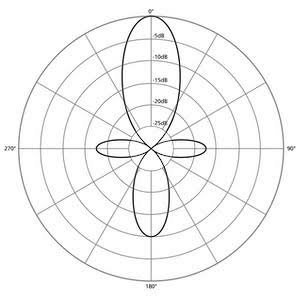
The most directional pickup pattern, lobar microphones has a ultra-narrow pick-up angle which makes it hard to use and not a popular choice for studio. It must point at high precision because a little move of the source could result for that sound to loss. But the advantage of this microphone compare to others is that it greatly rejects both the noise and feedback from most of the direction except from the direction where it is sensitive like its front.
Some shotgun mics has a sensitivity at sides, but it is rather less comparing to its front and rear and also very narrow. The rear also has very narrow pick up and much less sensitive compare to front.
Advantage:
- Have the best noise and feedback rejection among other types.
- Good use at filmmaking where it can be mounted in a boom pole.
- Picks up sound at great distance.
Disadvantage:
- Cannot be use in studio.
- Has very narrow pick up angle.


 WittyTech